— January 29, 2026 —

There’s no better time to launch this series. Fundy Salmon Recovery (FSR) was recently named a UN World Restoration Flagship Initiative, recognized under Parks Canada’s Respectful Returns: Restoring Resilience to Salmon Ecosystems for its Indigenous-led, science-based approach and transformative conservation results. This distinction places FSR among the world’s most effective large-scale ecosystem restoration efforts under the UN Decade on Ecosystem Restoration.
How it began
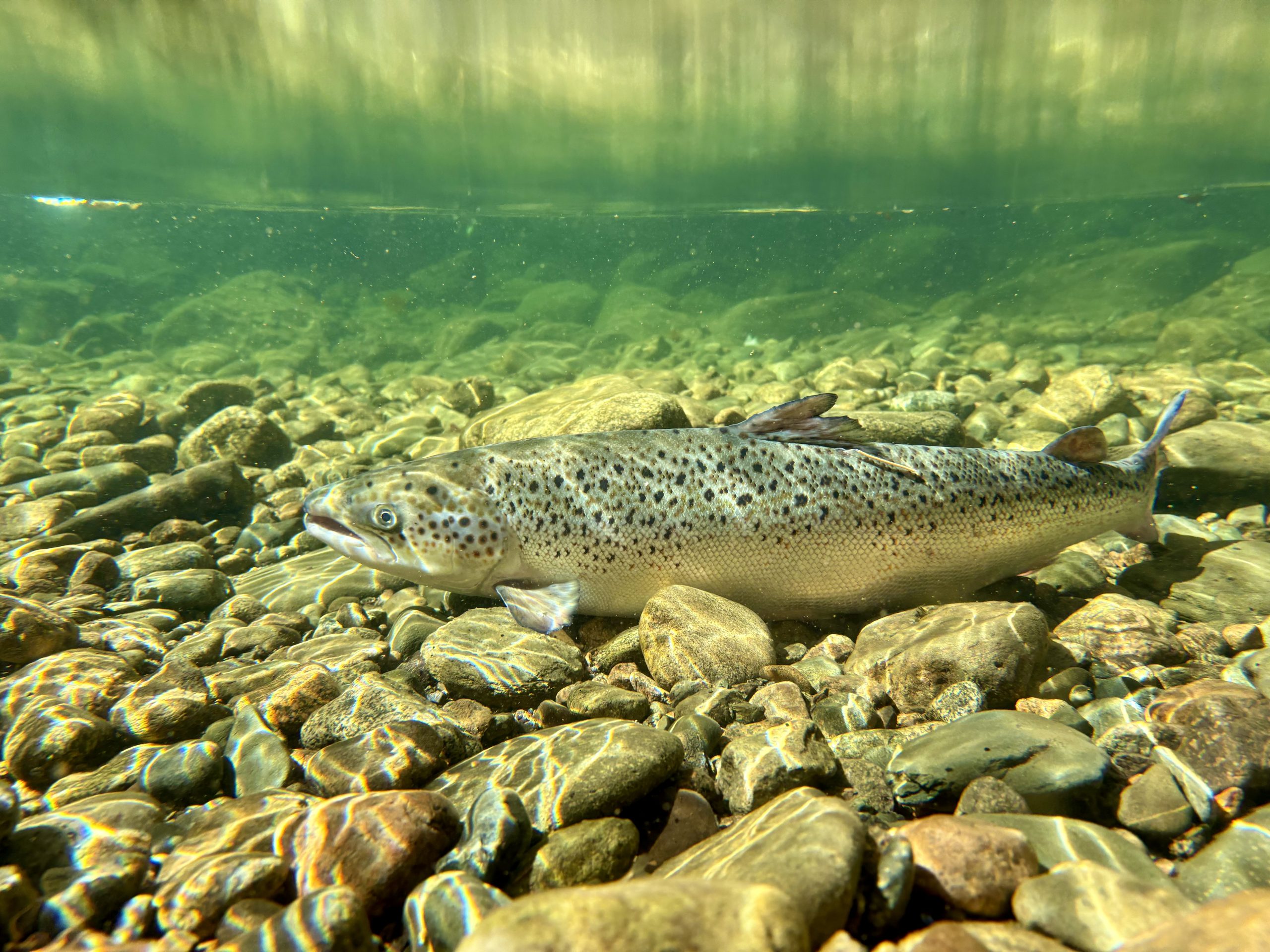
Inner Bay of Fundy Atlantic salmon have been listed as endangered since the early 2000s, with returns to local rivers once dwindling to near zero. Today, those numbers are changing.
The work began more than 20 years ago, when Fort Folly First Nation partnered with Fundy National Park to restore wild salmon in local rivers. Over time, that early effort grew into Fundy Salmon Recovery – a collaborative initiative grounded in Indigenous leadership, science, and shared stewardship.
Today, FSR brings together Fort Folly First Nation, Parks Canada, Cooke Aquaculture, the Atlantic Canada Fish Farmers Association, the University of New Brunswick, Fisheries and Oceans Canada, and the Government of New Brunswick. These partners are united by a single goal: restoring self-sustaining wild salmon runs in the inner Bay of Fundy for generations to come. Fort Folly First Nation continues to play a central role, managing its own recovery program on the Petitcodiac River.
A new approach to salmon recovery
What sets Fundy Salmon Recovery apart is how it blends wild conservation with aquaculture expertise.
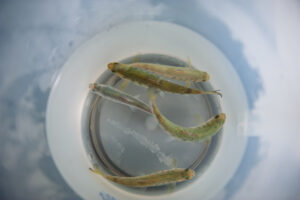
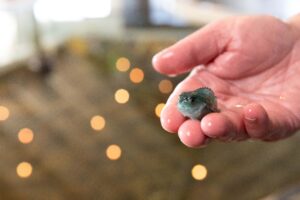
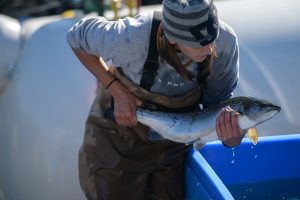
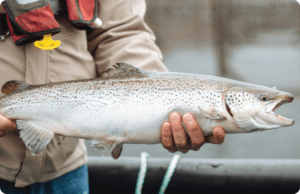
Research shows that salmon spending their earliest life stages in natural rivers are better prepared to survive in the wild. FSR builds on this knowledge by collecting juvenile salmon – called smolts – after they’ve already spent that critical early period in freshwater.
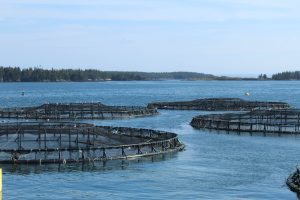
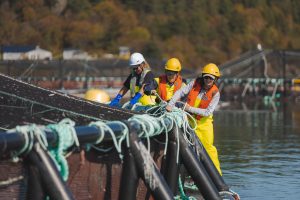
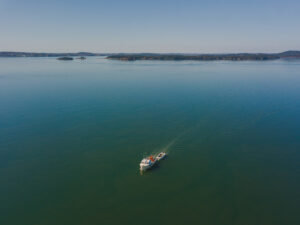
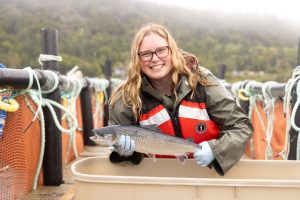
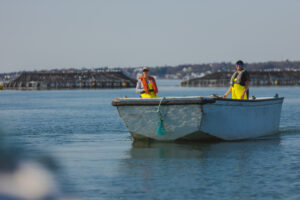
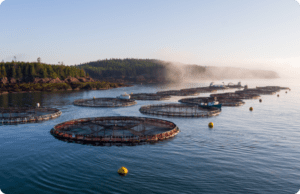
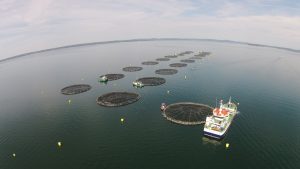
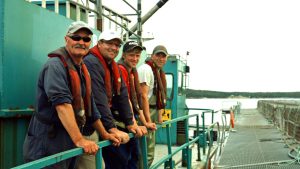
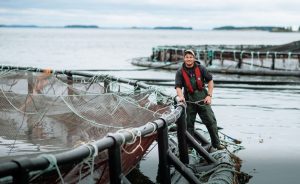
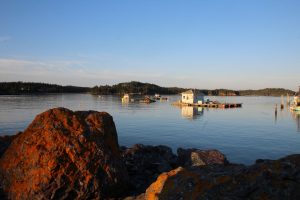
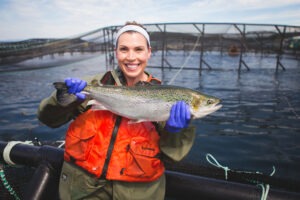
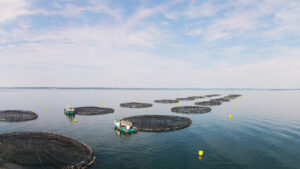
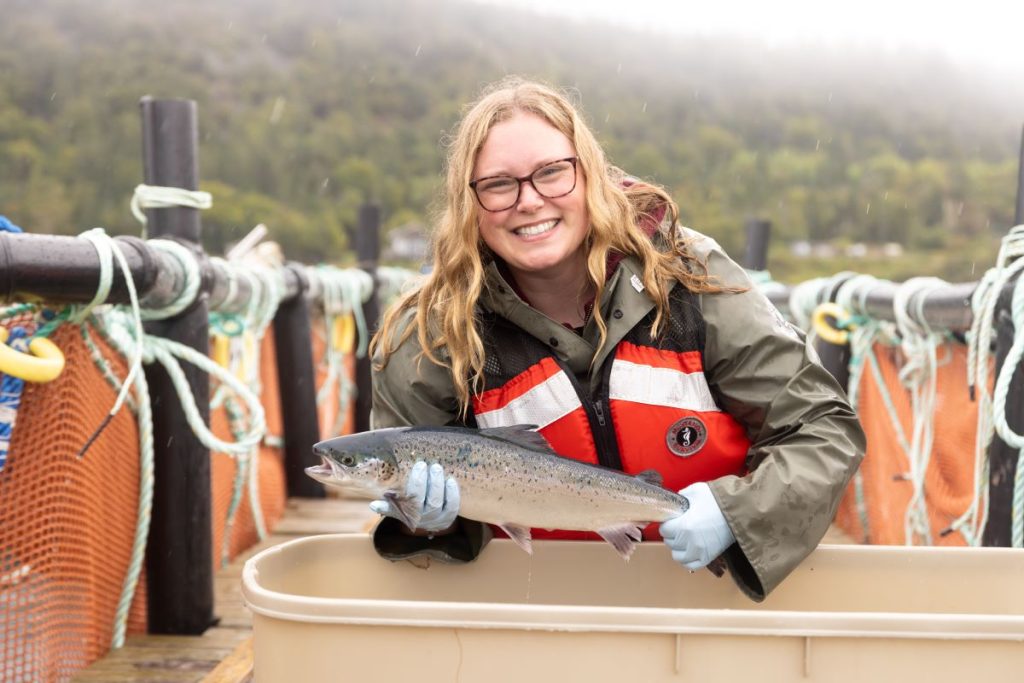
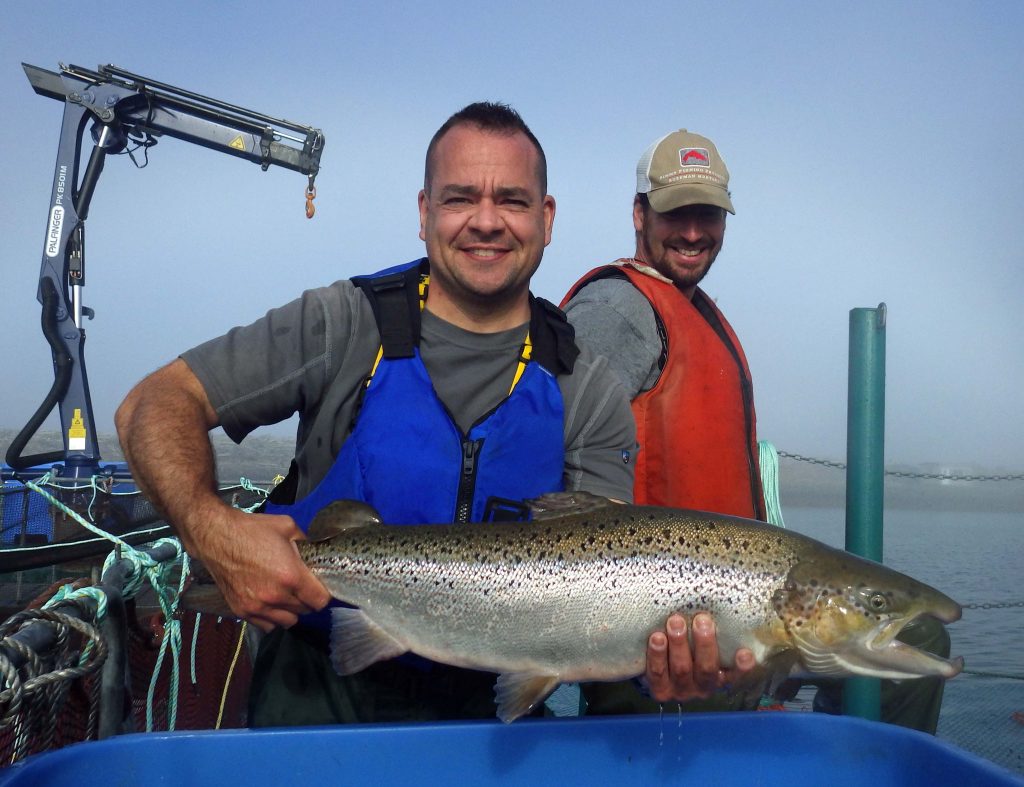
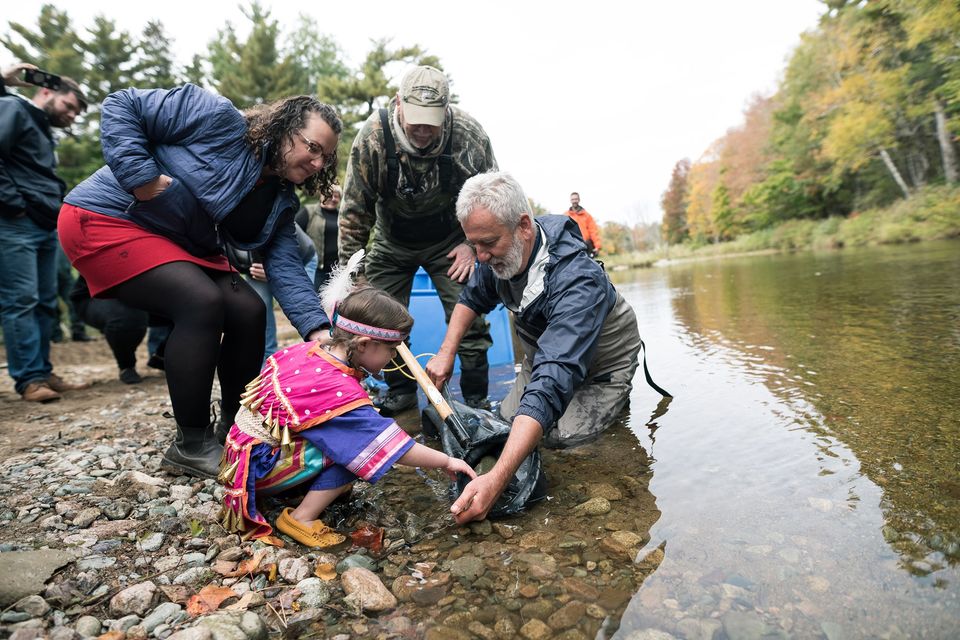
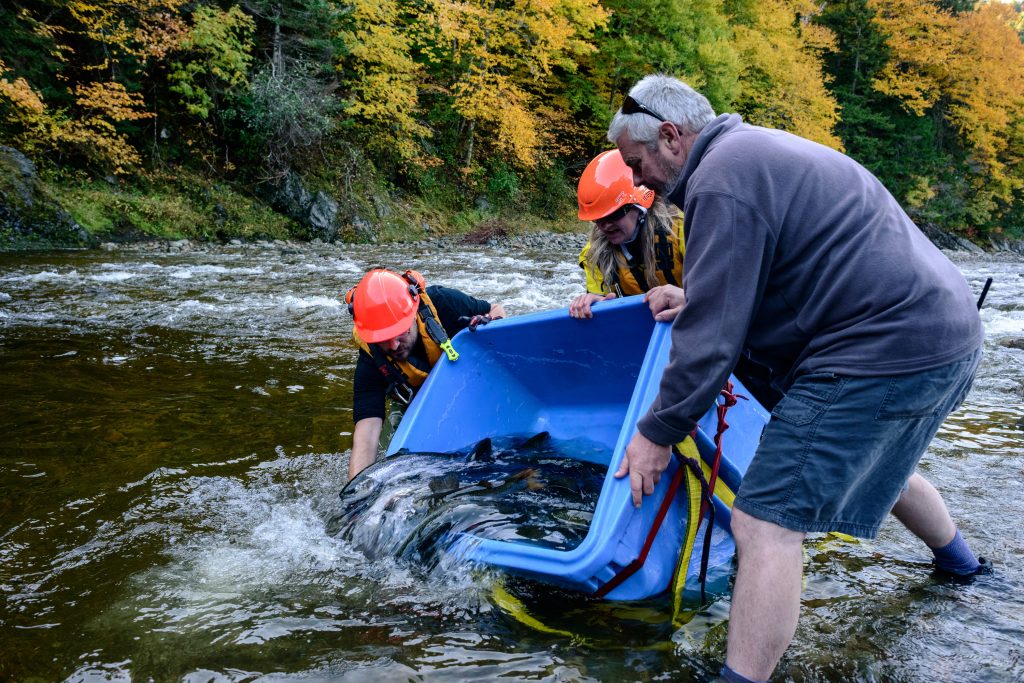
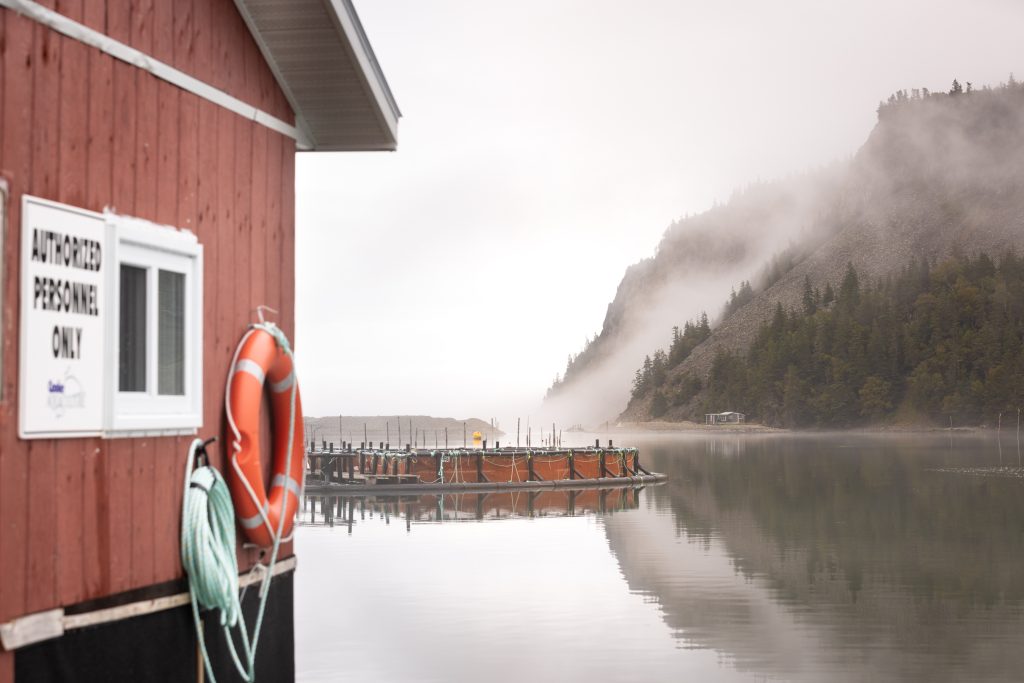
These smolts are transferred to the world’s first Wild Salmon Conservation Marine Farm at Dark Harbour on Grand Manan Island. There, Cooke Aquaculture staff and FSR partners care for the fish in custom-designed conservation cages using technologies developed to protect farmed salmon. The ocean enclosures allow wild salmon to swim, school, and grow naturally while being protected from predators. The fish receive specialized diets developed by biologists and aquaculture nutrition experts before being released back into their natal rivers to spawn.
Juvenile salmon from the Mactaquac Biodiversity Facility have also contributed to the program, helping preserve the unique genetics of this endangered population.
Real results – and growing momentum
The results are significant.
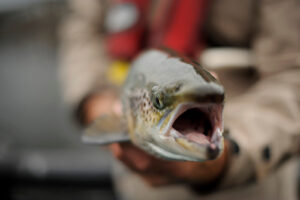
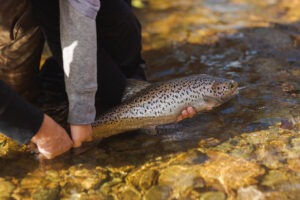
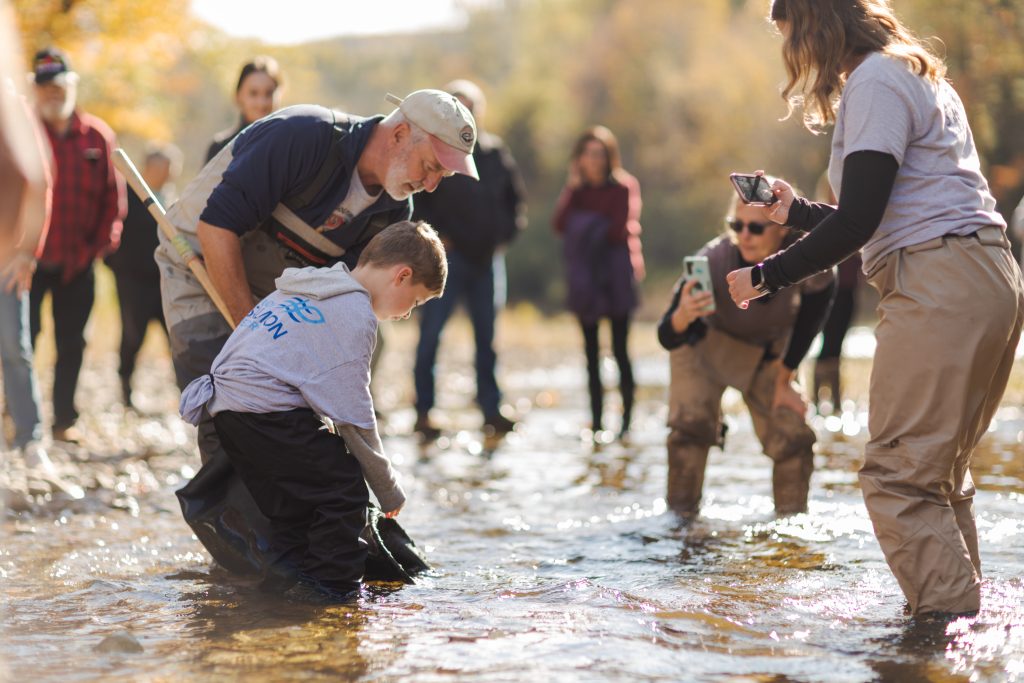
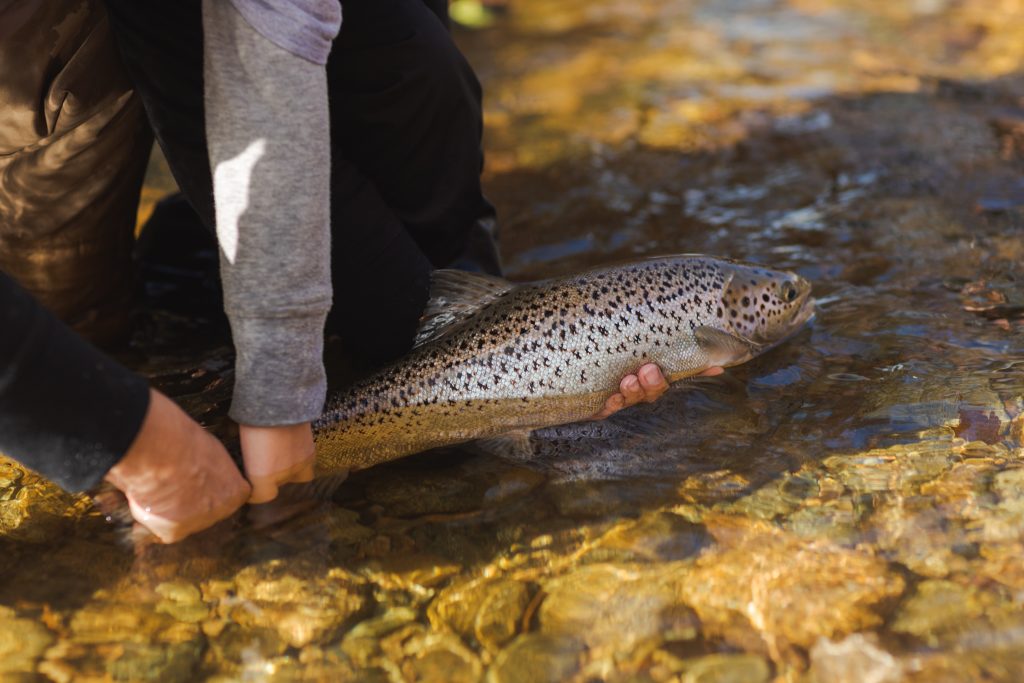
To date, Fundy Salmon Recovery has released 13,230 mature wild salmon back into inner Bay of Fundy rivers. More than 700 tagged fish have returned – the highest numbers seen in decades.
Today, 3,047 healthy wild salmon are growing at the Dark Harbour conservation farm. About half will return to rivers this fall, with the remainder released the following year. Each spring, new juveniles enter the cycle, creating a continuous river-to-ocean-to-river recovery process.
In the rivers, researchers from the University of New Brunswick use advanced monitoring tools to track returns, study genetics, and assess ecosystem health – ensuring decisions are guided by solid science.
Fundy Salmon Recovery shows what’s possible when diverse partners come together around a shared goal: restoring wild Atlantic salmon to the inner Bay of Fundy for generations to come. It also demonstrates how aquaculture expertise can support wild species recovery – an area where Atlantic Canada is uniquely positioned to lead.
Follow along
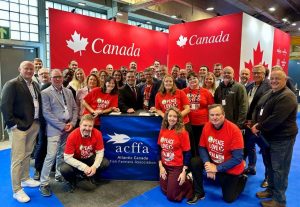
In addition to supporting operations at the Wild Atlantic Salmon Conservation Farm in Dark Harbour, the Atlantic Canada Fish Farmers Association has played a coordinating role in Fundy Salmon Recovery since its inception – helping align logistics, communications, and on-the-ground efforts across a large and diverse partnership.
Saving Salmon: Field Notes from Fundy Salmon Recovery is our way of sharing this work – one month at a time. Future updates will spotlight fieldwork, fish releases, research milestones, and the people behind this remarkable effort.
Thanks for joining us. The return of wild Atlantic salmon is a long journey – but together, real progress is being made.