— March 20, 2026 —
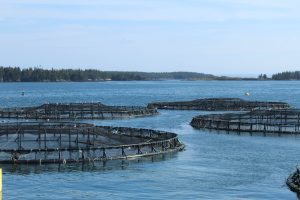
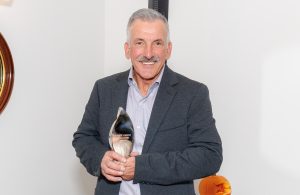
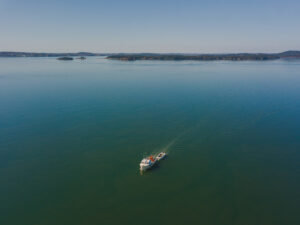
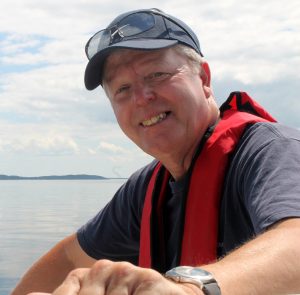
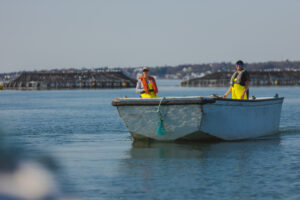
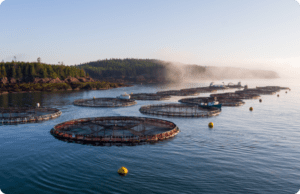
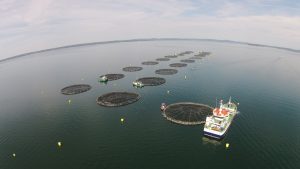
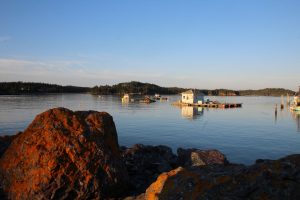
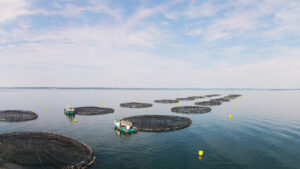
If you’ve ever visited Dark Harbour on Grand Manan Island, you know it feels like the edge of the world in the best way – shallow, sheltered waters, working boats in the distance, and a deep connection to the sea. It’s here that partners with Fundy Salmon Recovery are quietly doing extraordinary things at the World’s First Wild Salmon Conservation Marine Farm. And at the heart of it is Cooke Aquaculture staffer Stanley Fleet.
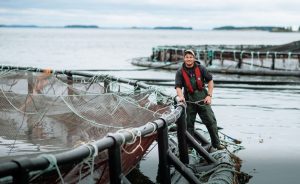
Stanley has managed the day-to-day operations the Dark Harbour conservation farm since 2017, just a few months after it began. A lifelong Grand Manan resident, he grew up in Dark Harbour, spending summers there dulsing as a young lad to earn money.
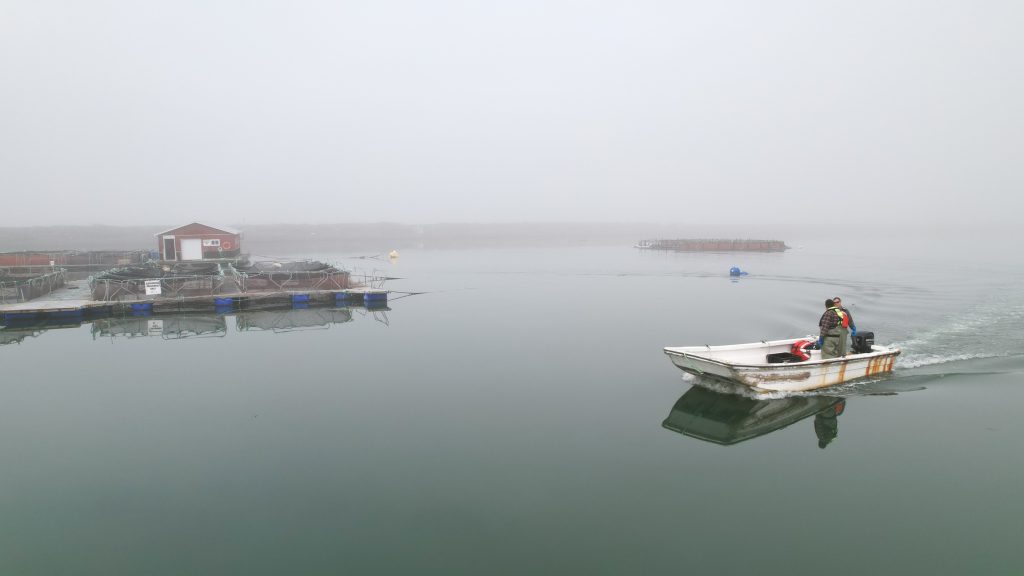
Stanley built a long career with Fisheries and Oceans Canada. The ocean has always been his workplace. He was working part time at a salmon farm owned by Cooke Aquaculture when he was approached about helping launch a conservation farm for endangered inner Bay of Fundy wild salmon.
“I was interested right off the get go,” he told me. “It was pretty neat to be involved in something that was bringing salmon back into the rivers and increasing numbers.”
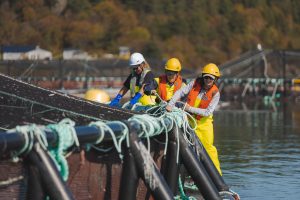
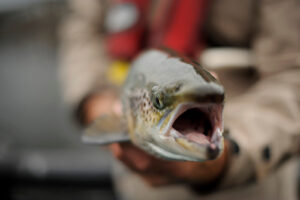
Fundy Salmon Recovery introduced – and continues to use – a new approach to saving wild salmon: carefully rearing endangered wild salmon in ocean pens as part of a conservation strategy. Cooke Aquaculture stepped up as a key partner, donating specialized nets and pens, providing staff expertise, and supporting fish health, feeding, and transport. It’s a powerful example of how aquaculture knowledge can support wild salmon recovery.
Stanley is someone who likes routine. He’s quiet, steady, and dependable – the kind of person you want caring for fish as precious as wild Atlantic salmon. He truly cares for these fish. Biosecurity is always on his mind. “You must work with caution to keep the fish safe,” he said.
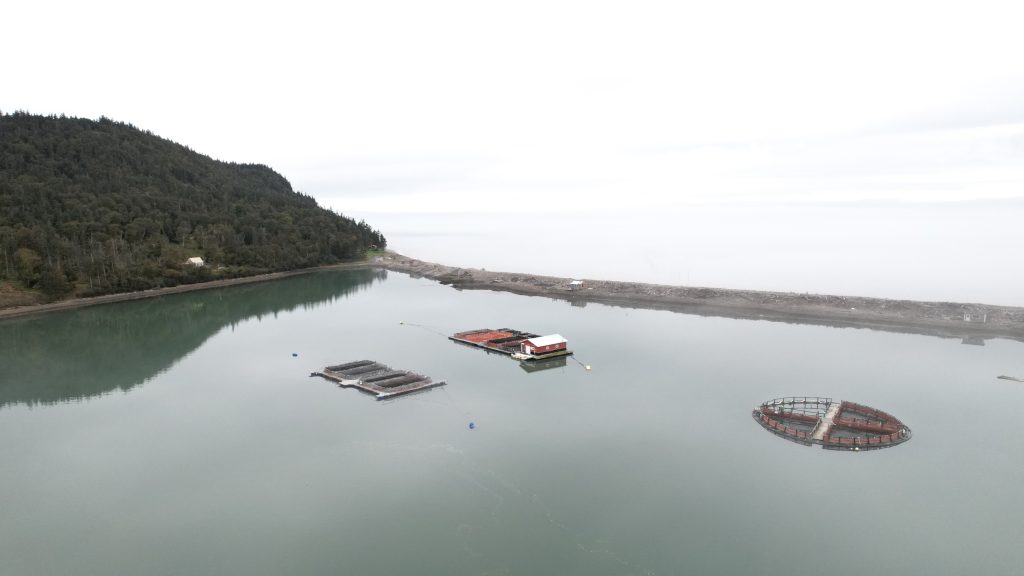
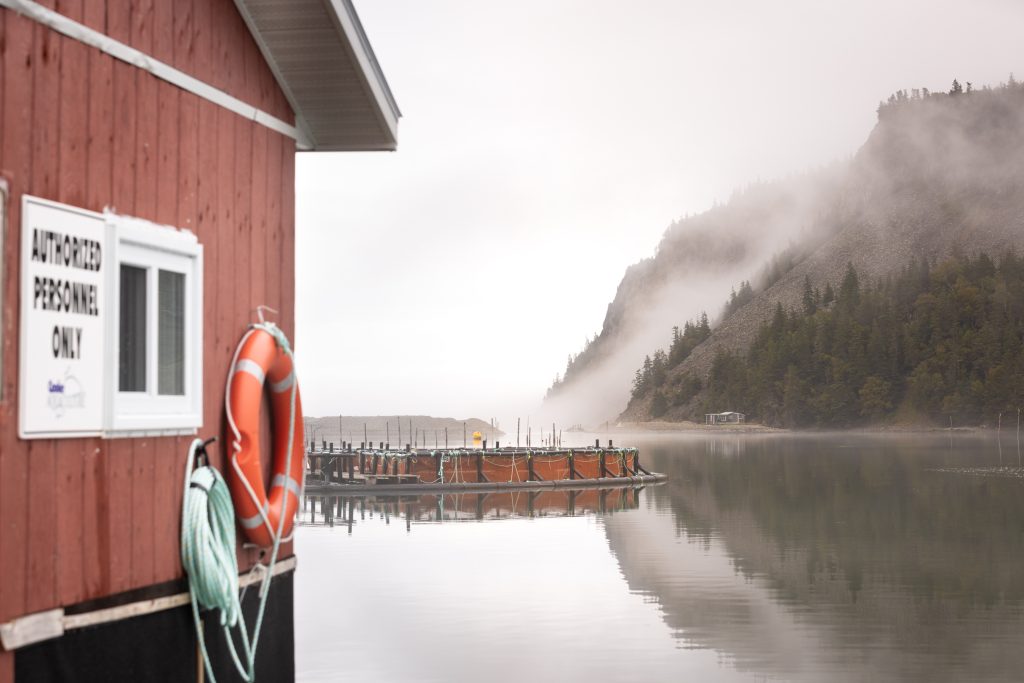
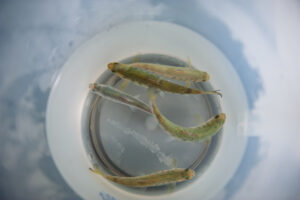
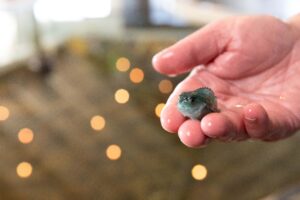
His days start with the youngest salmon – the “babies.” Wild smolt arriving at Dark Harbour aren’t used to pellet feed the way hatchery fish are. To encourage them to eat dry pellets, Stanley mixes a special recipe by hand each week: canola oil and krill (ground up in a coffee grinder!) blended into fine feed to create a scent that encourages them to eat. The fish are kept in shallower cages so they can be closely monitored.
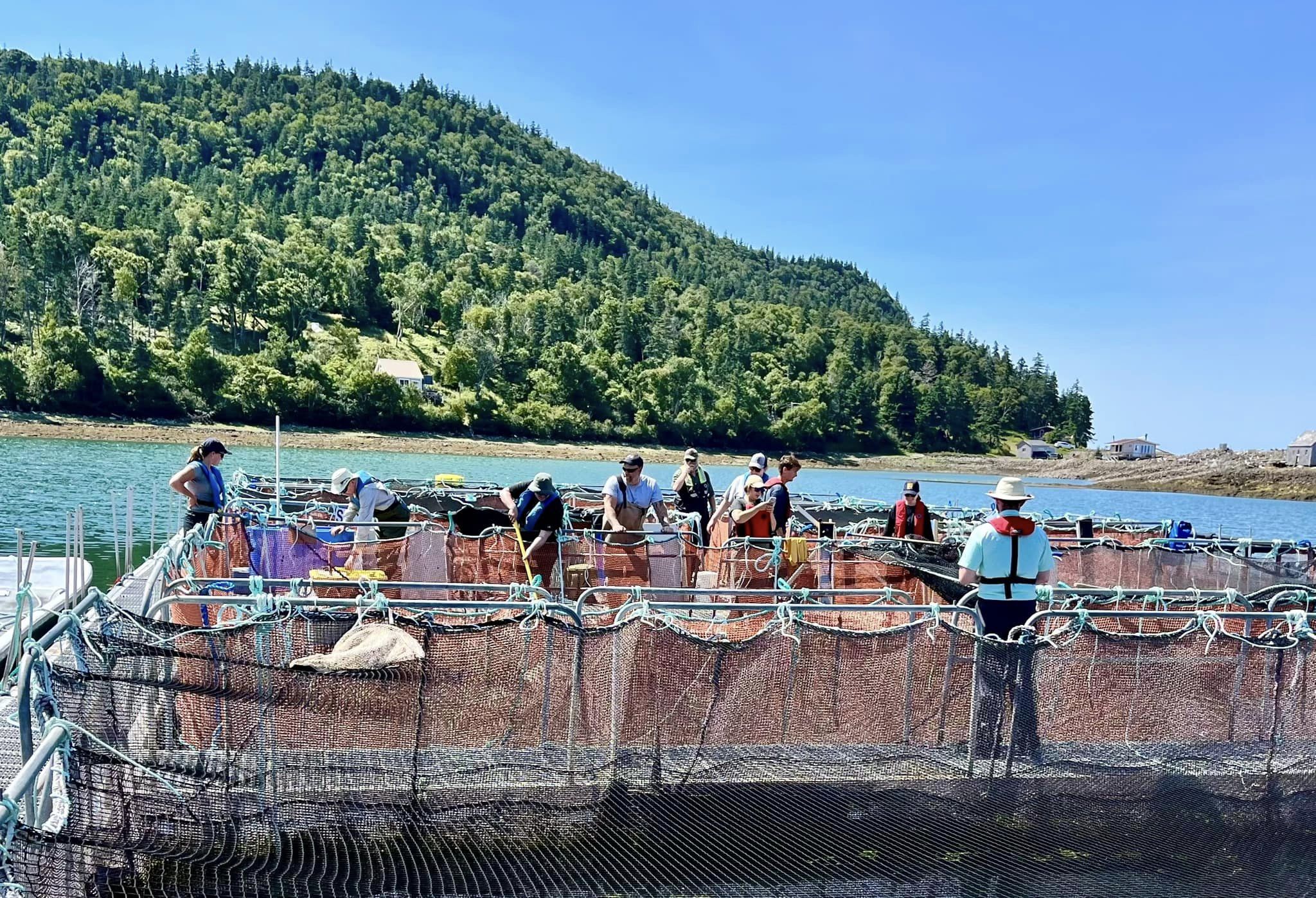
From there, the day unfolds with feeding multiple year classes, cleaning nets, pressure washing equipment, coordinating divers for underwater maintenance and then he returns to “the little fellows” to give them another feed. There’s always something happening on site. In the fall, the pace intensifies.
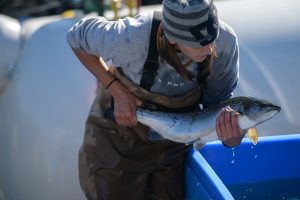
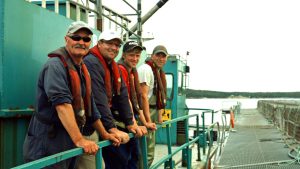
Release season is the busiest – and most meaningful – time of year. Fish are carefully selected and moved into special cages that are pushed to the wharf. Before sunrise, often in the dark, Cooke staff gently dip the fish and load them into transport trucks to catch the 7:30 a.m. ferry to the mainland so they can be returned to their native rivers. It’s a painstaking process designed to protect their health every step of the way.
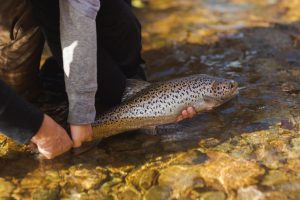
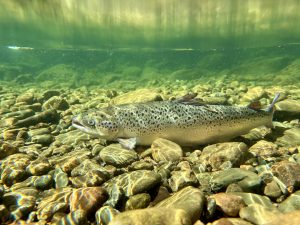
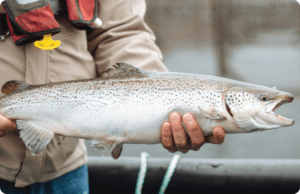
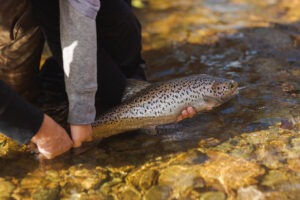
Since 2016, Fundy Salmon Recovery has released 13,230 mature wild salmon back into inner Bay of Fundy rivers. More than 700 returning tagged fish have been detected – the highest returns seen in decades. Today, 3,047 healthy wild salmon are growing at the Dark Harbour conservation farm.
Stanley has attended a few river releases himself. He remembers placing a fish into a pool and watching it swim down, turn, and head upstream. “I thought it was so neat that it knew what to do,” he said.
When I asked how it feels to manage the conservation farm, he didn’t overstate it. “It’s rewarding when you hear about the return numbers,” he said. “It’s neat to know that the project has been working.”
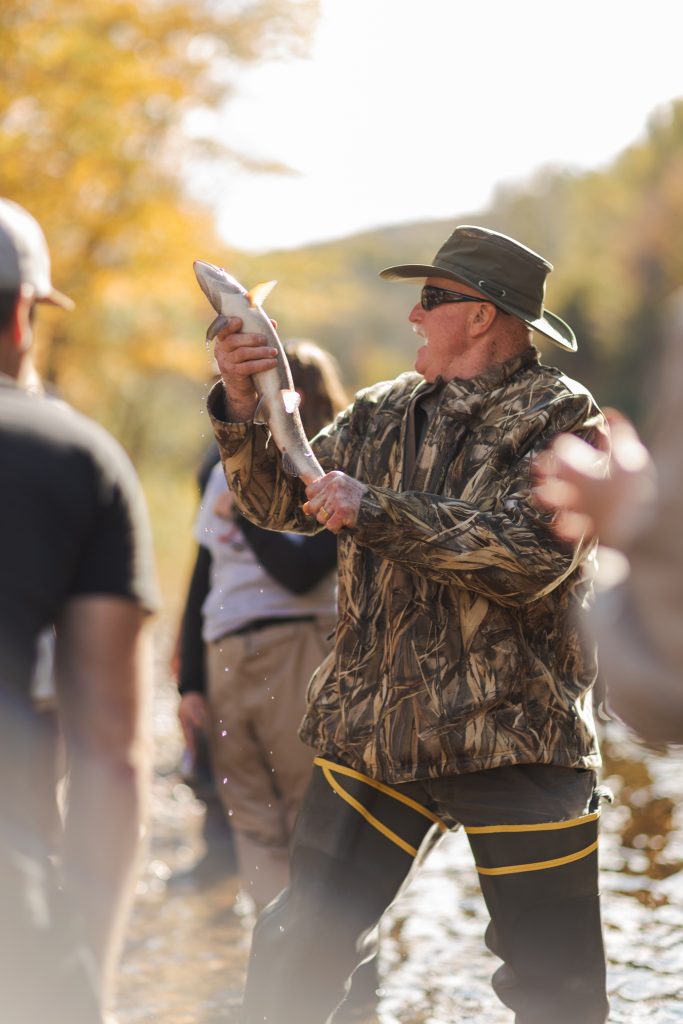
Stanley has become the steady guardian of this groundbreaking conservation marine farm. His hope for the future is simple: that the project continues and that wild salmon remain in our rivers.
Thanks to his care – and the strength of partnership behind him – that future of inner Bay of Fundy wild Atlantic salmon feels more positive than it has in decades.
Saving Salmon: Field Notes from Fundy Salmon Recovery takes you behind the scenes of Fundy Salmon Recovery (FSR), a made-in-Atlantic Canada initiative delivering the strongest returns of endangered inner Bay of Fundy wild Atlantic salmon in decades. Project partners include Fort Folly First Nation, Parks Canada, Cooke Aquaculture, the Atlantic Canada Fish Farmers Association, the University of New Brunswick, Fisheries and Oceans Canada, and the Government of New Brunswick.