— June 15, 2026 —
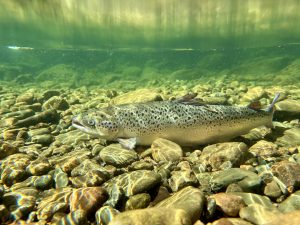
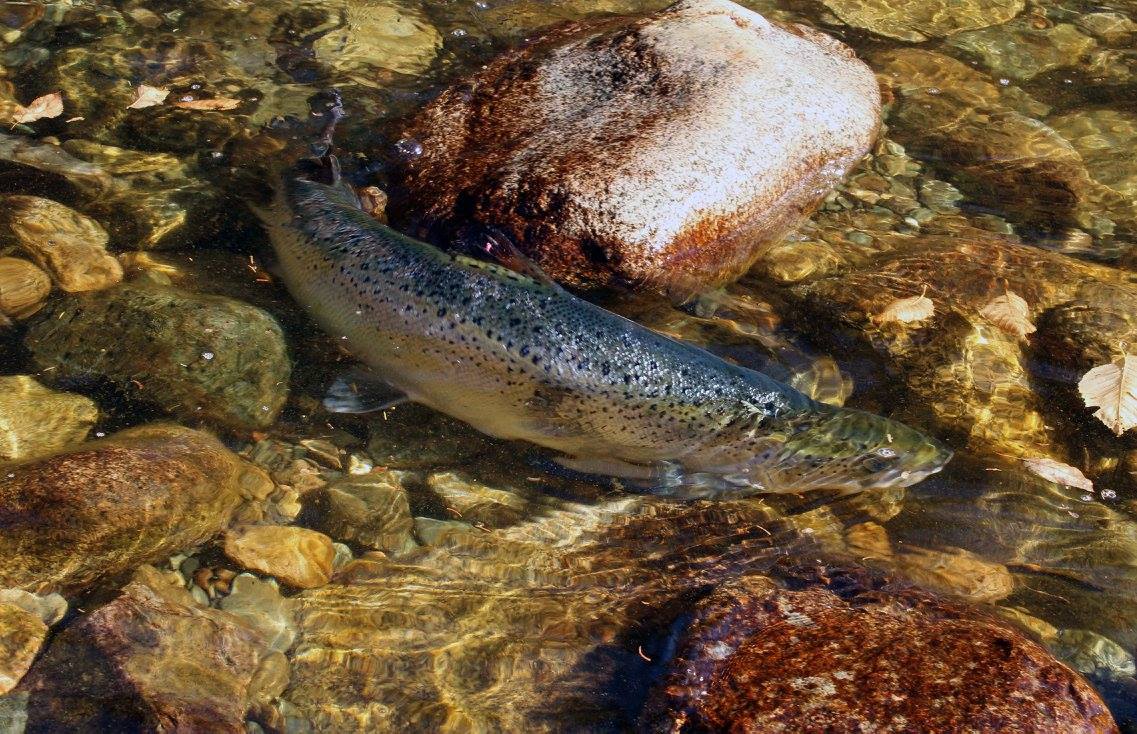
It’s time for bold action to give wild Atlantic salmon the fighting chance they deserve.
For decades, Atlantic Canadians have watched wild salmon disappear from rivers where they were once abundant. The causes of this decline are complex and interconnected. Climate change is altering freshwater and marine ecosystems. Habitat degradation and aquatic barriers continue to limit access to critical spawning grounds. Predation pressures have increased.
Governments, Indigenous communities, conservation groups, researchers, and volunteers have invested millions of dollars restoring habitat, improving water quality, and removing barriers to fish passage. This work is important and must continue.
Yet the reality is habitat improvements alone will not rebuild salmon populations that have already fallen to critically low levels.
As the federal government moves forward with its Wild Atlantic Salmon Conservation Strategy and considers where to invest future restoration funding, it is worth asking a simple question: Are we prepared to embrace new approaches that are delivering measurable results?
A newly published study in Fisheries Research suggests we should.
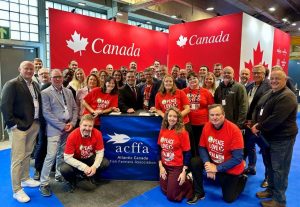
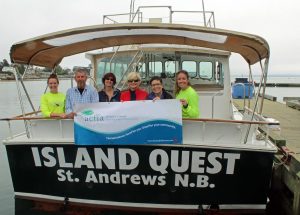
Researchers from the University of New Brunswick, Parks Canada, and Fisheries and Oceans Canada examined the results of the Fundy Salmon Recovery (FSR) project, a unique made-in-Atlantic Canada partnership that has developed a new approach to restoring endangered inner Bay of Fundy Atlantic salmon. The partnership brings together Fort Folly First Nation, Parks Canada, Fisheries and Oceans Canada, the Government of New Brunswick, the University of New Brunswick, Cooke Aquaculture, and the Atlantic Canada Fish Farmers Association.
The findings are striking.
Researchers found that salmon reared through the project’s marine conservation farming approach produced more than four times as many offspring as fish reared entirely in traditional freshwater hatcheries. The study also found that the approach maintained – and potentially enhanced – genetic diversity, a critical factor in rebuilding healthy wild populations.
These findings should change how we think about salmon recovery in Canada.
Many traditional stocking approaches struggle because juvenile salmon are not surviving their first years at sea. While scientists continue to study the causes of marine mortality, evidence points to a combination of factors, including changing ocean conditions and increasing predation.
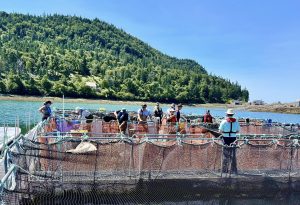
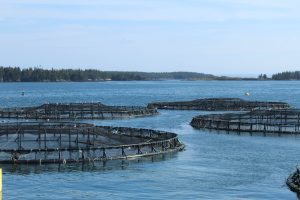
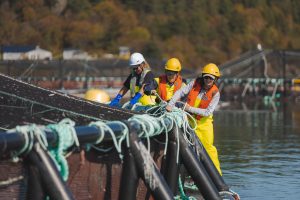
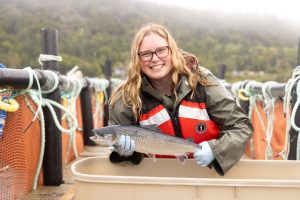
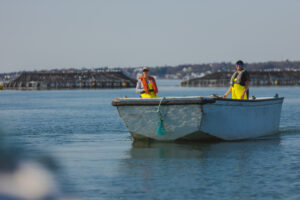
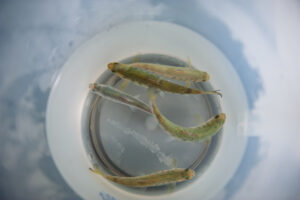
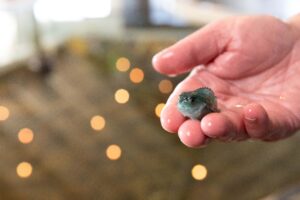
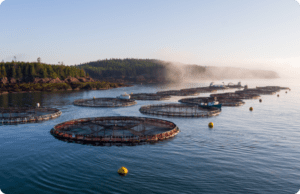
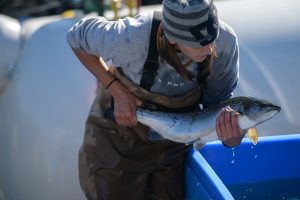
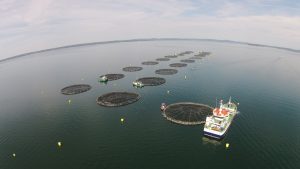
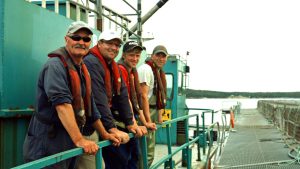
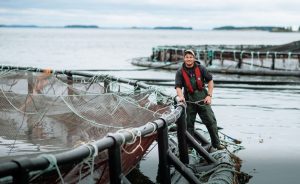
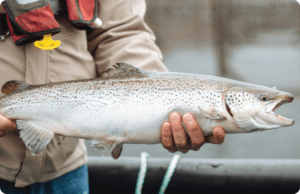
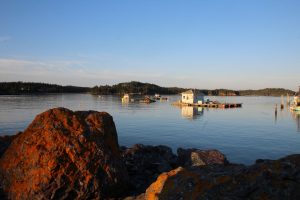
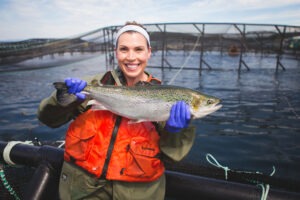
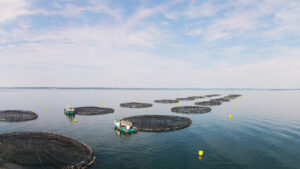
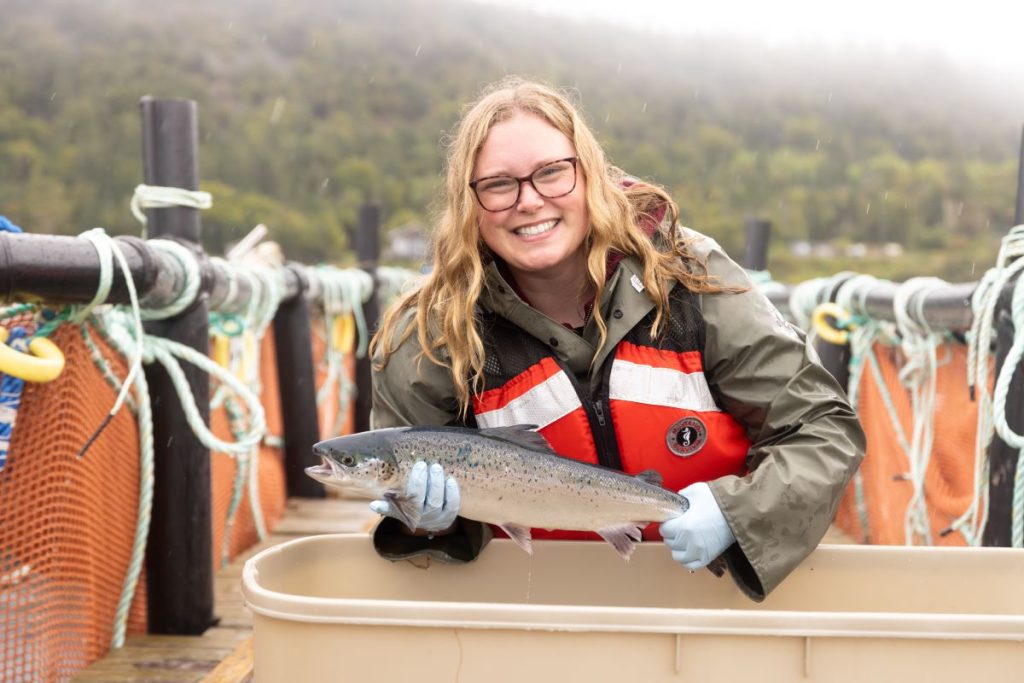
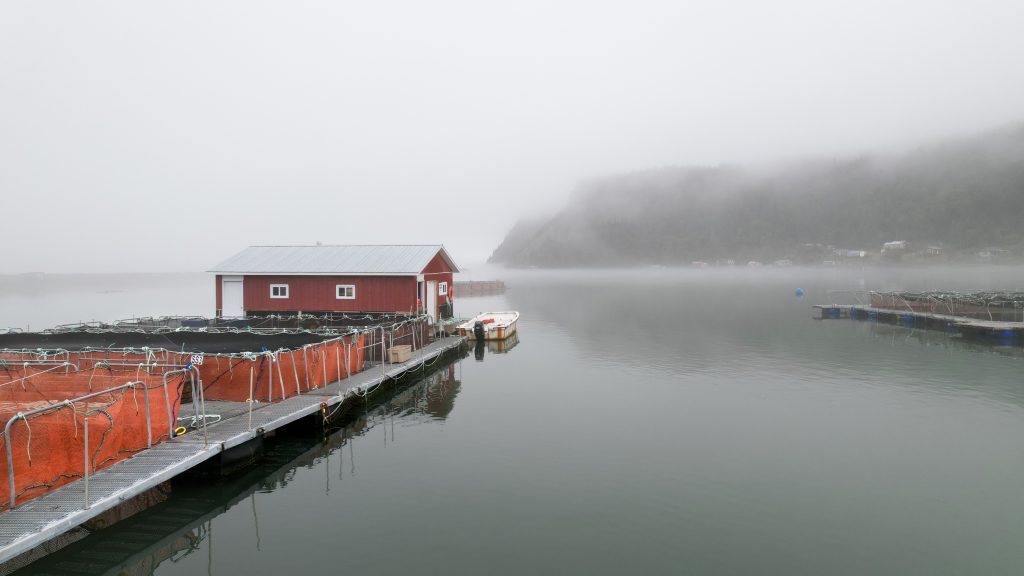
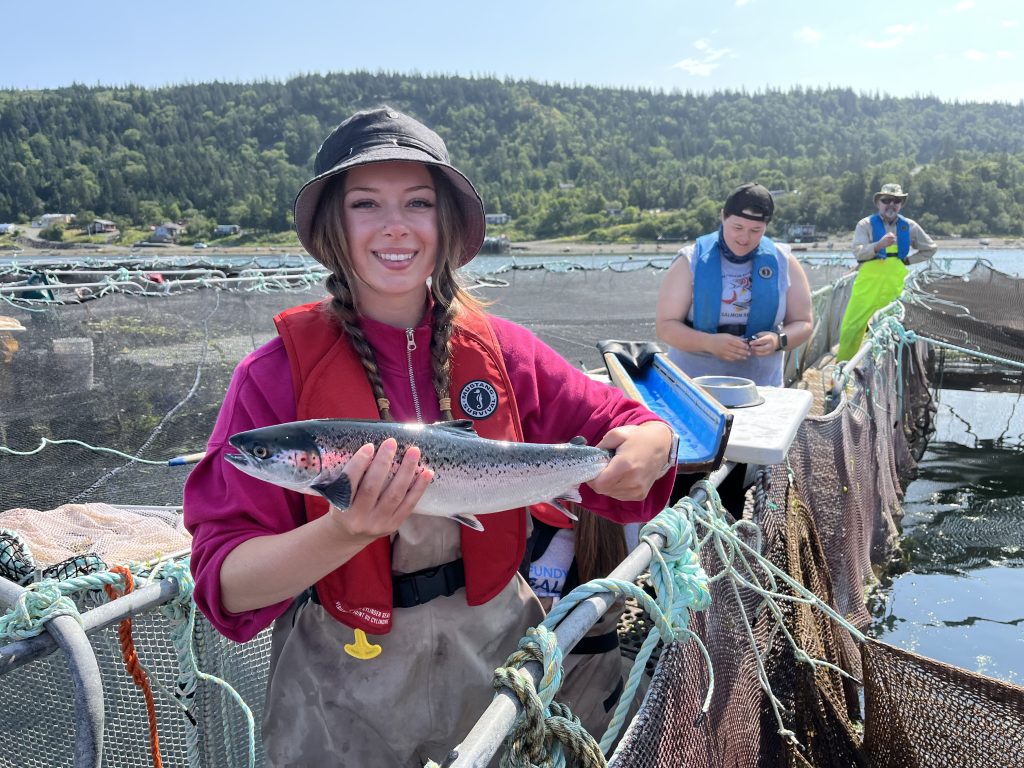
The Fundy Salmon Recovery project takes a different approach. Instead of releasing small fish and hoping they survive, the program collects wild salmon smolts before they enter the ocean and rears them to adulthood at the world’s first Wild Atlantic salmon Marine Conservation Farm in Dark Harbour, Grand Manan. It’s there that staff from Cooke Aquaculture and partners care of the fish until they are mature and safely transported to their home rivers to spawn naturally.
In simple terms, the program helps protect salmon during the most challenging period of their lives experienced in nature being predation in the marine environment.
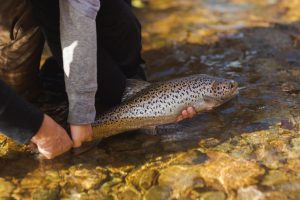
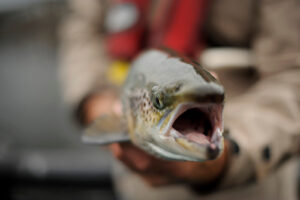
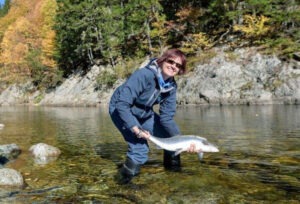
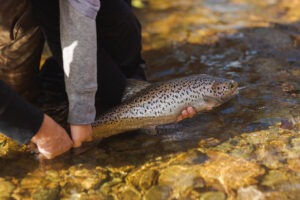
By the time the fish are released, they are large, healthy adults capable of reproducing immediately. They are no longer small fish vulnerable to being picked off by predators in estuaries and coastal waters. The study shows that these fish are not only surviving, but they are also helping rebuild wild populations.
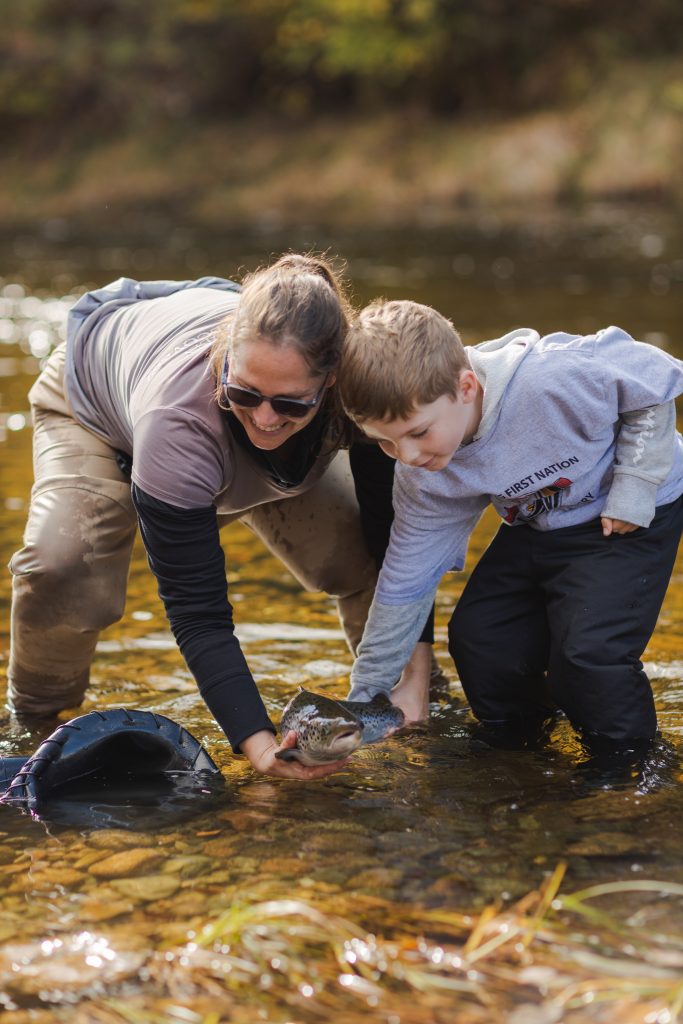
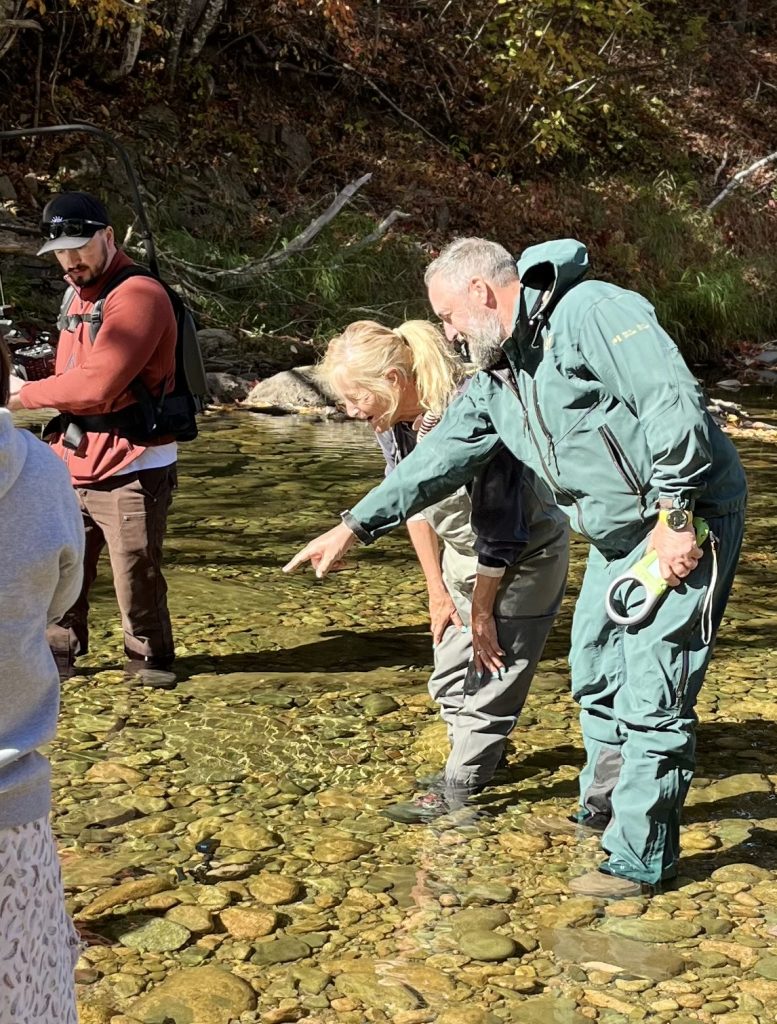
Over nearly a decade, the partnership has generated other important discoveries. Through an extensive network of monitoring systems installed in rivers and throughout the Bay of Fundy, researchers have tracked the movement of salmon released through the program. These studies have documented fish returning to spawn multiple times and surviving independently in the wild after spending up to 30 months in conservation care.
That matters because it demonstrates that this approach is not creating domesticated fish. It is helping wild fish survive long enough to return to their natural role in the ecosystem while maintaining their wild instincts.
If a river has suitable habitat but too few salmon to rebuild the population, we need to help those fish survive. Waiting until populations reach the point of no return is not a recovery strategy.
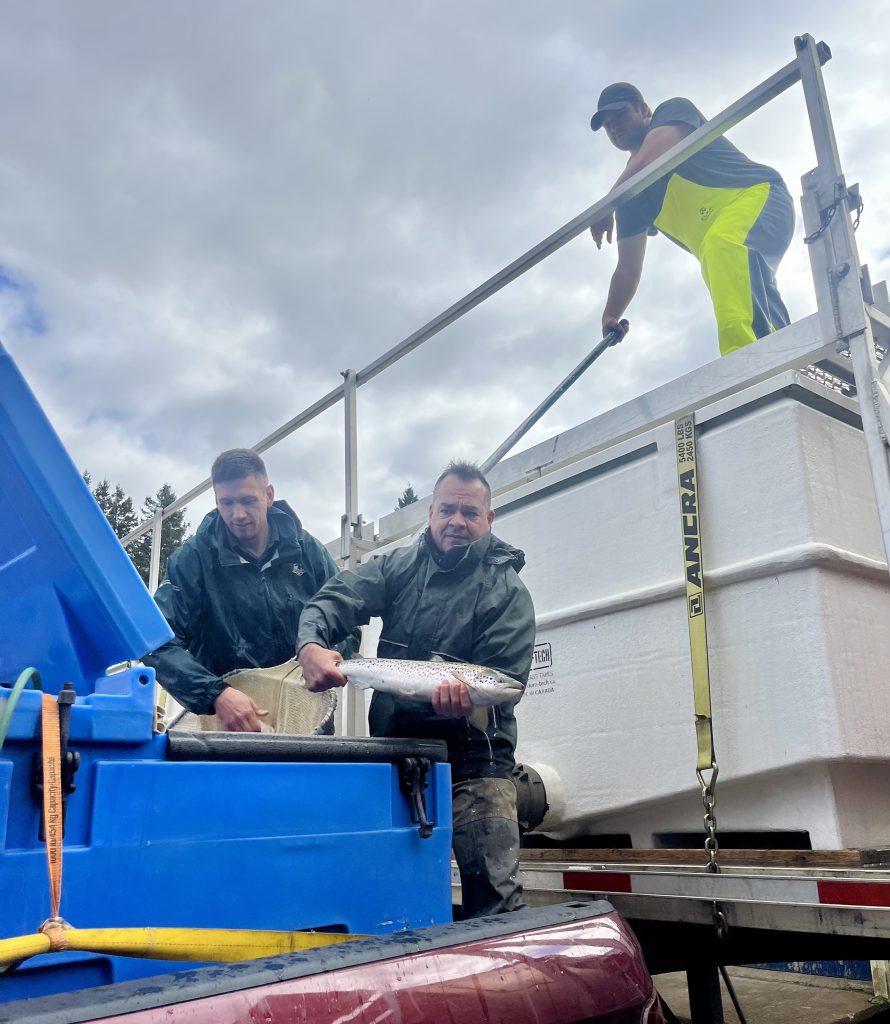
Smolt-to-Adult Supplementation programs should be expanded in priority watersheds where the science indicates they can make a difference, including rivers such as the Miramichi and the Wolastoq. These efforts should complement habitat restoration, not replace it. Critical to this is the aquaculture knowledge, skills, equipment and safe transfer of the fish between their home rivers and the conservation farm.
If we want future generations to experience wild Atlantic salmon in our rivers, we cannot continue to rely solely on approaches that are not reversing declines. Atlantic Canada has developed a model that is producing results, backed by science and built on collaboration.
The time has come to support similar programs in priority rivers before more populations are lost.
We must be bold, build on what works, and seize the opportunity to restore wild salmon while we still can.